There was a point when I realized something simple.
There are far more games I want to play than I will ever have time for.
And once you are no longer a teenager with endless evenings, that starts to matter. You still want games to be part of your life. You still want competition, emotion, immersion, and that feeling when a match becomes tense and your full attention locks in. But now your time is limited, and you feel it.
You cannot just brute-force your way through every game anymore. You cannot spend hundreds of hours wandering around in confusion, hoping things will eventually click. You start choosing more carefully: what to play, what to learn, and what is actually worth your time.
That was one of the first thoughts behind Totopnine.
Not because I wanted less from games as I got older.
Actually, the opposite.
I wanted to get more from the time I still had.
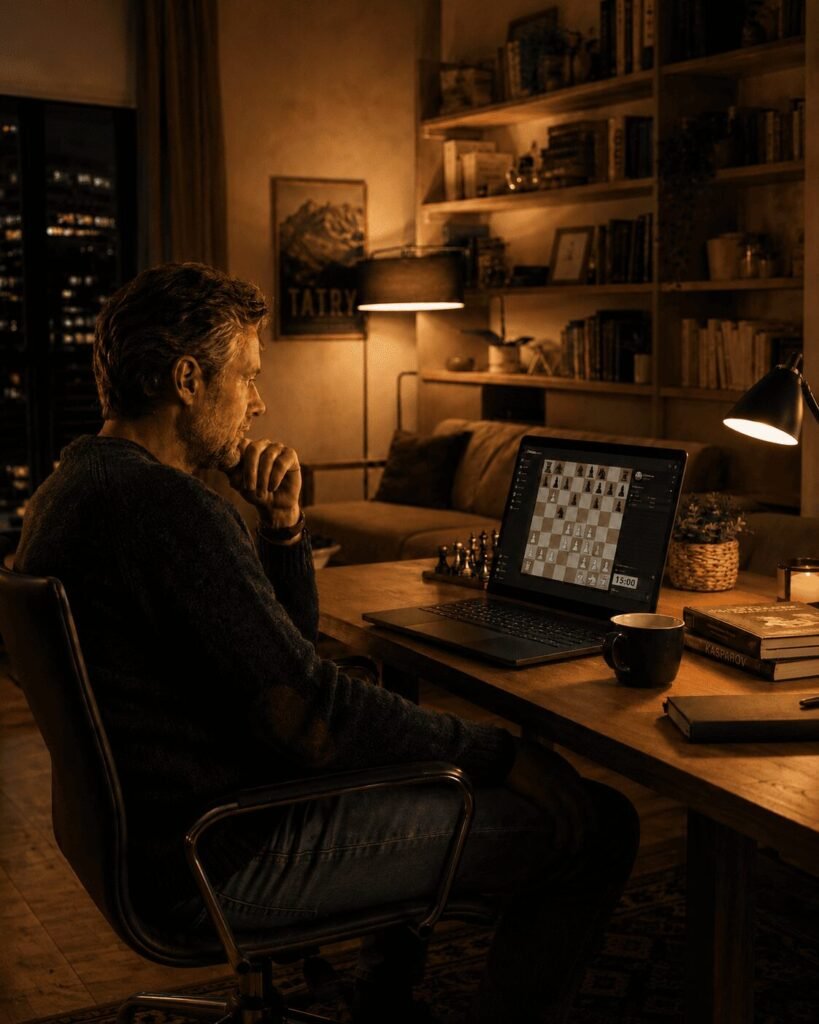
A strange thing happens when life gets fuller.
You might start choosing games that are easier to enter, easier to understand, easier to consume in small pieces. And there is nothing wrong with that. Sometimes that is exactly what you need.
But at some point I noticed that “easier” was not always giving me more enjoyment. It was just giving me faster access.
And those are not the same thing.
What I really wanted was not a simpler hobby. I wanted a deeper one that I could enter faster. I wanted to spend less time bouncing on the surface and more time understanding what actually makes a game good.
Because for me, that is where a huge part of the pleasure lives.
Not only in winning.
Not only in consuming content around the game.
But in starting to see the game.
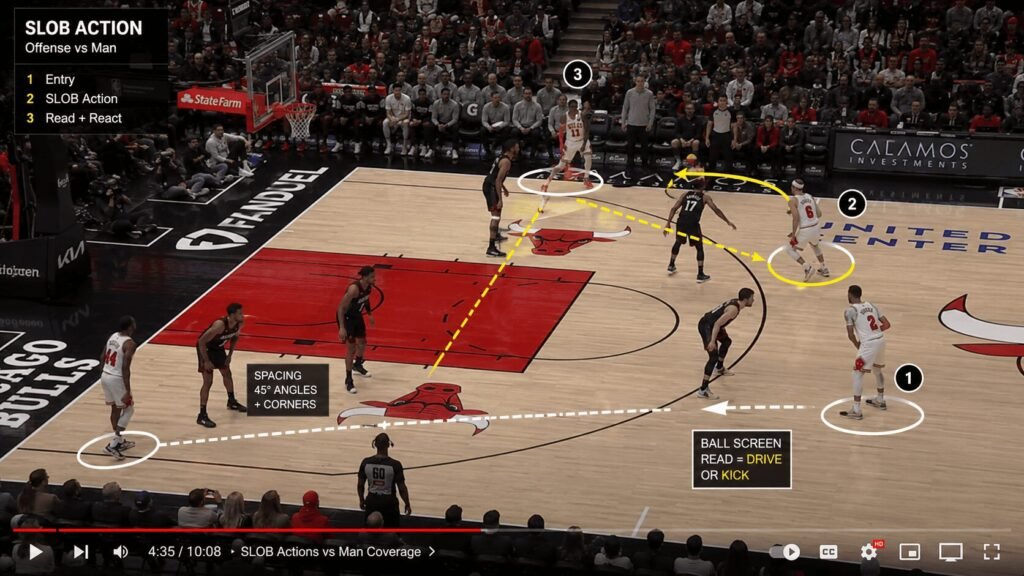
But if you really love the game, you know the beauty was often there a few seconds earlier: in the movement, the screen, the extra pass, the space that opened up, the decision that created the shot.
That difference matters to me.
I do not just want the final result. I want to understand the thing that made it happen.
And once you start feeling that in one area — sports, games, competition — you begin wanting it everywhere else too.
A lot of people enjoy basketball when the ball goes in. That is the obvious moment. It is the payoff.
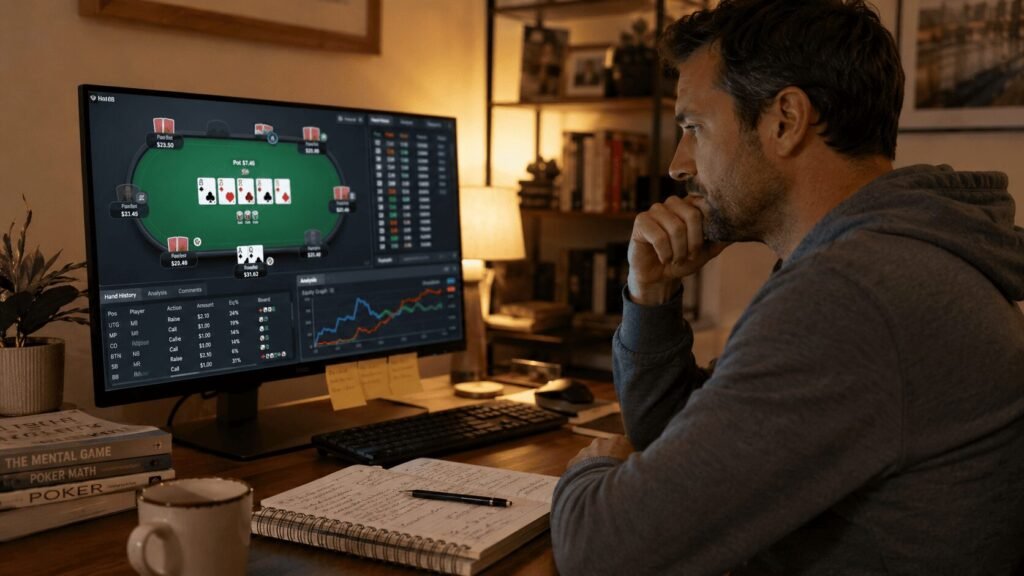
Poker was probably the first place where I felt this very clearly.
It taught me that the real beauty of a competitive game is often invisible to the casual eye. A recreational player might only see whether a hand won or lost. But once you study the game a little more, you start noticing something else: the line someone chose, the pressure they applied, the timing, the discipline, the strange move that looked wrong but turned out to be exactly right.
That changed the way I experienced the game.
I was no longer enjoying poker only as a result-based thing: did I win, did I lose, did I run well, did I bust.
I started enjoying it as a language. A system. A set of ideas that could be understood more deeply.
And honestly, once that happens, the game becomes much harder to flatten back into “just entertainment.”
It becomes richer.
That does not mean everybody should become obsessed with studying. It does not mean every hobby needs to turn into work.
It just means that understanding something well can become part of the pleasure itself.
For me, poker was the game that taught me that lesson first.
At some point I noticed I was carrying that mindset into other things I played.
One of my favorite examples is Mordhau.
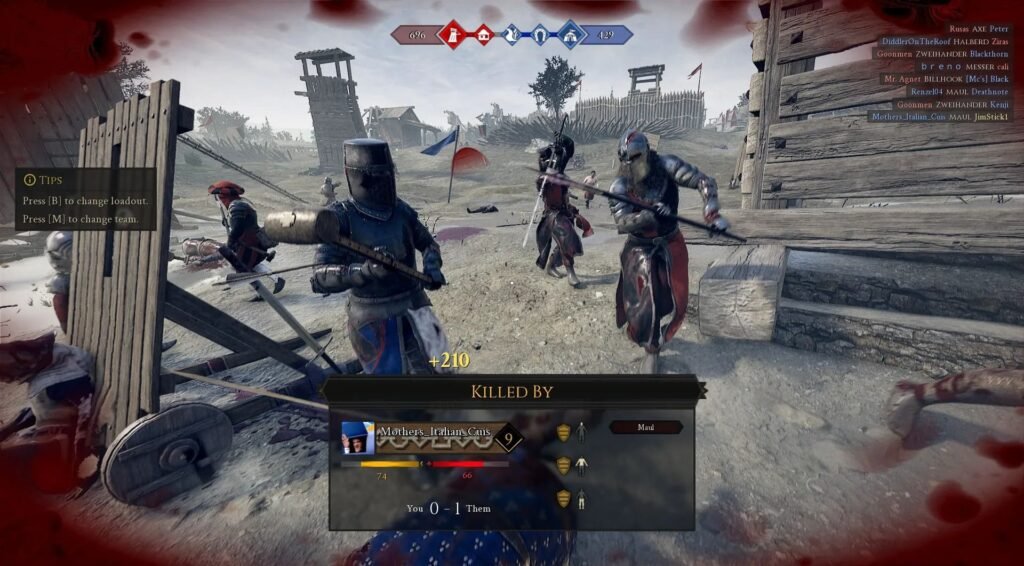
I once took coaching in Mordhau not because I wanted to make money from the game, and not because I had some fantasy about becoming a pro.
I did it for a much simpler reason: I liked the game enough that I wanted to get to the good part faster.
I wanted to understand what good players were seeing.
I wanted to stop repeating random mistakes.
I wanted the game to open up.
That is an important distinction.
A lot of people still think lessons, coaching, or courses are only for people chasing status, career, rank, or income. But sometimes learning is much more personal than that.
Sometimes it is just about increasing the quality of your own experience.
If a few hours of guidance help you avoid fifty hours of confusion, frustration, and bad habits, that is not “taking a hobby too seriously.”
That is just a smart way to enjoy it more.
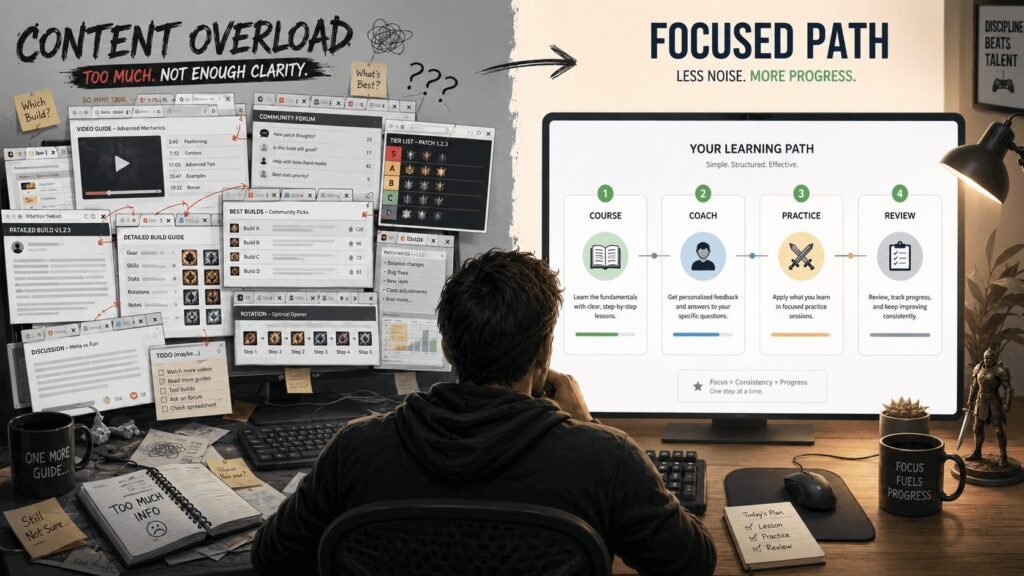
Another thing I kept noticing: there is no shortage of content.
There are videos, guides, creators, Discord channels, Reddit threads, breakdowns, free lessons, tier lists, strategy posts, and endless opinions.
If all you need is more information, the internet is already overflowing.
And yet people still feel stuck all the time.
That is because the real problem is often not lack of content. It is lack of direction.
What should I watch first?
Whose advice actually fits my level?
Do I need a course, a coach, a study plan, or just one good explanation?
Am I learning the game, or just collecting content about it?
When you are busy, this matters even more.
You do not have the energy to swim through oceans of random advice every time you pick up a game. You want someone to help narrow the field. To point you toward the thing that will actually move you forward.
That, to me, is part of the value.
Not “secret hacks.”
Not guru promises.
Not fake mastery.
Just a shorter path to understanding.
Totopnine comes from a pretty simple belief:
You do not need to become a pro to want to play better.
You can have a career, a family, responsibilities, and still care deeply about games. You can still want to improve. You can still want to feel sharper, more capable, more aware of what is happening in the game and in yourself while you play.
That does not make the hobby less pure.
If anything, it makes it more meaningful.
Because part of the joy of competition is not only the outcome. It is the feeling of becoming the kind of person who can make a good move, recognize a beautiful one, or at least understand why it mattered.
That is what I want this project to help with.
Not turning leisure into a second job.
Not pretending everyone should grind all week.
Not selling fantasies of domination.
Just helping adults find better ways to learn the games they already love, so the time they spend with those games gives them more back.
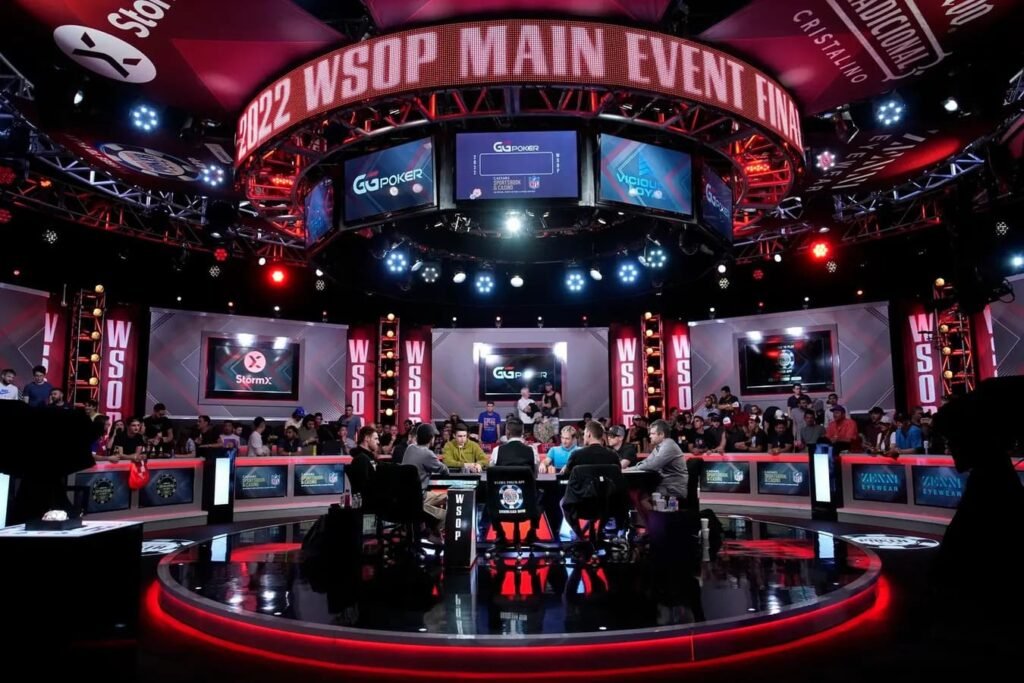
If you know poker, the name probably makes immediate sense.
Top 9 is the final table.
It is where things get more intense, more emotional, and more meaningful. You have made it far enough that the game starts to feel sharper.
If you know poker, the name probably makes immediate sense.
Top 9 is the final table.
It is where things get more intense, more emotional, and more meaningful. You have made it far enough that the game starts to feel sharper.
But I like the name for another reason too.
To me, it is not only about literally reaching a final table. It is about moving closer to the level where you are truly inside the game.
Where you are not just reacting.
Not just mashing buttons.
Not just hoping.
You start seeing more.
You start noticing more.
You start enjoying more.
That is the place I care about.
Not perfection.
Not professionalism for its own sake.
Just deeper enjoyment through better understanding.
I do not want Totopnine to feel corporate.
I also do not want it to feel like another “bro” brand selling fake intensity and miracle improvement. There is enough of that already.
I want it to feel more personal than that. More honest.
A place built by someone who understands why an adult still wants games in his life — and why he might want more from them than simple distraction.
Because games can still be one of the places where you compete, think, learn, and feel something real.
You might be playing with friends.
You might be playing online after work.
One day you might be teaching your kids.
Or competing with them.
And maybe what you really want is not just to pass time, but to enjoy yourself more fully inside the game: to feel what you are capable of, to make a great move, or even to appreciate one from the other side.
That feeling is worth something.
And if Totopnine helps people get there a bit faster, then it is worth building.
If this idea feels familiar, Totopnine is being built for players like us: adults who still love games, still want to improve, and still believe that understanding makes play more enjoyable.
We use cookies to improve your experience on our site. By using our site, you consent to cookies.
Manage your cookie preferences below:
Essential cookies enable basic functions and are necessary for the proper function of the website.
These cookies are needed for adding comments on this website.
These cookies are used for managing login functionality on this website.
Statistics cookies collect information anonymously. This information helps us understand how visitors use our website.
Google Analytics is a powerful tool that tracks and analyzes website traffic for informed marketing decisions.
Service URL: policies.google.com (opens in a new window)
SourceBuster is used by WooCommerce for order attribution based on user source.
You can find more information in our Cookie Policy and Privacy Policy.